Felsefe / Philosophy etiketine sahip kayıtlar gösteriliyor. Tüm kayıtları göster

MEVSİMLİK ÇİÇEKLER-SEASONAL FLOWERS

~*~*~*English is below the Turkish*~*~
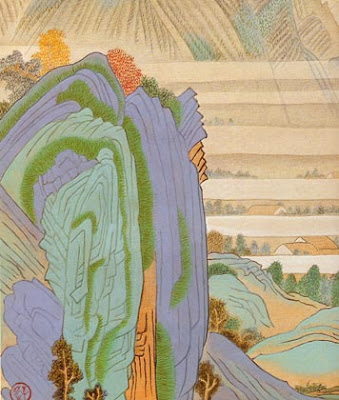
Şiddetli sağanak yağışların ardından, tarlalar ve ormanlar boyluboyunca yeşil ve sağlıklı görünür. Böylece bazı maddi kazançlar uğruna çetin sıkıntılar çekmiş ve sonucunu elde etmiş bir adama benzerler, çünkü böyle bir adam güçlü, yürekli ve iyi görünümlüdür.

Yağmurlu mevsimin yeşilliği geçici bir gösterişten ibarettir. Çok keyif vericidir ama devam etmeyeceğini hatırlamalıyız.  Benzer şekilde, bazı maddi kazançlar uğruna cetin sıkıntılara katlanan kişiler vardır ama aklı başında olanlar bundan kaçınır. Geçici kazançlar uğruna cetin sıkıntılar yalnızca zaman ve enerji kaybıdır. Maddi kayıp ve kazanç belirli her bir bedenin oluşumuna uygun olarak yazgısıdır. 8 400 000 yaşam türü vardır ve her çeşit beden kendi belirli oluşumuna uygun olarak zevk almak ve acı çekme yazgısındadır. Varlıklı bir adamın oğlunun hazları ve acıları fakir bir adamın oğlununkilerden farklıdır. Kimse dert edinmek için çetin sıkıntılar katlanmadığı halde, davetsizce başımıza gelir. Benzer şekilde, keyfini çıkarmanın yazgımızda olduğu mutluluk da bizim arzumuz olmaksızın başımıza gelir.  Dertten kaçınabileceğimiz ve yüzeysel olarak geçici başarılarla bazı maddi mutlulukların keyfini çıkarabileceğimiz halde bu, hayata dair hiçbir gerçekçi kazanç temsil etmez. Bizim vazifemiz kalıcı mutluluk ve ebedi yaşam elde etmektir ve sadece bu amaç uğruna—nihai kazanç için—her tür kefaret ve çileye katlanmalıyız.

Bu nihai kazancın insan yaşam formunda kazanılması mümkündür. Kalıcı mutluluk kişi maddi mutluluk kaynaklarından kurtulduğunda mümkündür, çünkü maddi esaretin devam etmesi üç misli sefilliğin devam etmesi anlamına gelir.

Güzel mevsimlik çiçekler ya da yağmur mevsiminde büyüyen ama kışın bezen yeşillikler gibi olmaya çalışmamalıyız. Tepemizdeki cehalet bulutlarıyla neşelenmek ve geçici yeşilliklerin görüntüsünün keyfini çıkarmak hiç de arzu edilmez. Kişi güneş ve ay ışıklarına boğulmuş sınırsız aydınlık semada yaşamaya çalışmalıdır. Bizim gerçekten arzuladığımız şey budur. Ebediyette bir özgürlük hayatı, eksiksiz bilgi ve saadet dolu bir atmosfer aydınlanmış bir ruhun kalbinin arzusudur. Kalıcı mutluluk kaynağına erişmek için her tür kefaret ve çileye girişmeliyiz.

Bhagavata'nın Işığı 4. dize, Srila Prabhupada tarafından.

~*~*~* For English Please Read  BeloW*~*~

After heavy rain showers, the fields and forests in all directions appear green and healthy. Thus they resemble a man who has undergone severe austerities for some material gain and has achieved his end, for such a man is strong, hearty, and good-looking.

The greenery of the rainy season is but a temporary show. It looks very pleasant, but we must remember that it will not last. Similarly, there are persons who undergo severe austerities for some material gain, but those who are sane avoid this. Severe austerities for temporary gains are simply a waste of time and energy. Material loss and gain are destined in accordance with the formation of each particular body. There are 8,400,000 species of life, and each type of body is destined to enjoy and suffer in accordance with its particular formation. The bodily enjoyments and sufferings of a wealthy man’s son are different from those of a poor man’s son. Although no one undergoes severe austerities to obtain distress, it comes upon us uncalled. Similarly, the happiness we are destined to enjoy will come upon us even without our desires. Even though we may be able to avoid distress and artificially enjoy some material happiness by temporary achievements, this represents no factual gain in life. Our duty is to achieve permanent happiness and eternal life, and it is for that purpose only—for the ultimate gain—that we should undertake all sorts of penances and austerities.

This ultimate gain is possible to achieve in the human form of life. Permanent happiness is possible when one is free from material sources of happiness, for continuation of material bondage means continuation of the threefold miseries. Human life is meant for ending these miseries.

We should not try to be beautiful like seasonal flowers or greenery that flourish in the rainy season but are weary in the winter. To be enlivened by the clouds of ignorance overhead and to enjoy the sight of temporary greenery is not at all desirable. One should try to live in the unlimited clear sky overflooded with the rays of the sun and moon. That is what we actually desire. A life of freedom in eternity, complete knowledge, and a blissful atmosphere is the heart’s desire of an enlightened soul. We should undertake all sorts of penances and austerities to attain that permanent source of happiness.

Light of the Bhagavata verse 4, by Srila Prabhupada

BİRLEŞTİREN SES- THE SOUND CONNECTING

~*~*~*English is below the Turkish*~*~

İki kavram vardır: fiziksel kavram ve titreşim kavramı. Dolayısıyla fiziksel kavram geçicidir. Titreşim kavramı ebedidir. Tıpkı bizim... Krişna'nın öğretilerinin titreşiminin tadını çıkarıyor olduğumuz gibi. Dolayısıyla O titreşimle mevcut. Hare Krişna (Maha Mantra)'yı söyler söylemez ya daBhagavad-gita veya Srimad Bhagavatam'ı okur okumaz O derhal titreşimi aracılığıyla mevcut. O mutlaktır. Bu yüzden onun talimatlarını hatırlamaya çalışın ve ayrılık hissetmeyin. Onun sizinle olduğunu hissedeceksiniz. Öyleyse biz fiziksel mevcudiyetle değil de ses titreşimiyle birliktelik kurmalıyız. Bu gerçek birlikteliktir...sesle. Ses titreşimiyle derhal Krişna'ya dokunuyoruz. Öyleyse ne Krişna'ya ne de manevi öğretmene değil de ses titreşimi üzerinde daha çok durmalıyız. O zaman mutlu hissedeceğizdir ve ayrılık duymayacağızdır. Krişna bu dünyadan ayrıldığında, o zaman Arjuna acı ile şaşkına döndü ve Bhagavad-gita'nın talimatlarını hatırlamaya başladı. Bunu Srimad-Bhagavatam'da bulacaksınız. ... Derhal Kurukşetra savaş alanında ona öğretilen öğretileri hatırlamaya başladı. O zaman sakinleşmişti. Arjuna Onun (Krişna'nın) daimi arkadaşıydı, dolayısıyla Krişna mekanına döndüğünde şaşkınlığa düşmüştü ama Onun öğretilerini hatırlamaya başladı. dolayısıyla bizde ne zaman ayrılık hissedecek olsak en iyi şey öğretileri hatırlamaktır. O zaman herşey çok güzel olacak. Anlaşıldı mı? Evet. Öyleyse Hare Krişna'yı söyleyebilirsiniz.
Srila Prabhupada'nın  Srimad-Bhagavatam 7.19.12 Söylevi , Montreal, 18 Ağustos 1968

~*~*~* For English Please Read  BeloW*~*~
There are two conceptions: the physical conception and the vibration conception. So physical conception is temporary. The vibration conception is eternal. Just like we are... relishing the vibration of Krishna’s teachings. So by vibration He is present. As soon as we chant Hare Krishna or chant Bhagavad-gita or Srimad Bhagavatam, He is present immediately by His vibration. He’s absolute. Therefore try to remember His words of instruction and you’ll not feel separation. You’ll feel that He is with you. So we should associate by the vibration, and not by the physical presence. That is real association...by sound. We are touching Krishna immediately by sound vibration. So we should give more stress on the sound vibration, either of Krishna or of the spiritual master. Then we’ll feel happy and no separation. When Krishna departed from this world, at that time Arjuna was overwhelmed with sorrow and he began to remember the instruction of Bhagavad-gita. You’ll find this in the Srimad-Bhagavatam. ... He immediately began to remember the teachings that were taught to him in the Battlefield of Kuruksetra. Then He was pacified. Arjuna was His constant friend, so when Krishna went to His abode he was feeling overwhelmed, but he began to remember His teaching. So whenever we shall feel separation, the best thing is to remember the teachings. Then it will be very nice. Is that clear? Yes. So you can chant Hare Krishna.
Srila Prabhupada Lecture on Srimad-Bhagavatam 7.19.12, Montreal, August 18, 1968

SU BİLİNÇLİ OL, KRİŞNA BİLİNÇLİ OL / BE WATER CONSCIOUSS, BE KRSNA CONSCIOUS

~*~*~*English is below the Turkish*~*~*

  • Her yıl 3.500.000 insan suyla-ilişkili hastalıklardan ölüyor. (www.water.org/facts)
  • Suyla ilişkili ölümlerin %43'ü ishalden kaynaklanıyor. (www.water.org/facts)
  • Suyla ilişkili ölümlerin %84'ü 0-14 yaş grubu çocuklarda görülüyor. (www.water.org/facts)
  • Suyla ilişkiliölümlerin %98'i gelişmekte olan ülkelerde görülüyor. (www.water.org/facts)
  • 884 milyon insan,yaklaşık olarak sekiz kişiden bir kişi güvenli su kaynaklarına erişimden yoksun. (www.water.org/facts)
  • Su ve temizlik krizlerinin hastalıklar yoluyla silahlarla herhangi bir savaştan daha çok can aldığı iddia ediliyor. (www.water.org/facts)
  • Belirtilen herhangi bir zamanda dünyadaki hastane yataklarının yarısının suyla ilişkili hastalık çeken hastalarla doludur. (www.water.org/facts)
  • Dünyanın tatlı suyunun yalnızca %1'inden daha az bir miktarı (ya da % 0.007'si kadarı) doğrudan insan kullanımına hazır. (www.water.org/facts)
  • Bir insan yiyecek olmadan haftalarca yaşayabilir fakat hiç su olmadan yalnızca birkaç gün yaşamayı umabilirsiniz. (www.water.org/facts)
  • Hayatta kalmak için olduğu kadar temizlik için yıkanmak ve yemek pişirme ihtiyaçlarını karşılayacak günlük ihtiyaç kişi başına yaklaşık 13.2
  • galon. (www.water.org/facts)
  • Tüm su projelerinin yüzde 50’sinden fazlası başarısız oluyor, projelerin yüzde beşinden daha azı teftiş ediliyor ve yüzden birinden de oldukça azı uzun dönemli denetime sahip. (www.water.org/facts)
  • TÜM BUNLARA KARŞIN, gökyüzü boyunca elektriğin çektiği ve kuvvetli rüzgarlarla sürüklenen bulutlar muhtaç insanlara yaşamlarının özü olan suyu sağlayarak yavaş yavaş yeryüzünün yüzeyini kaplar. Bulutlar, muhtaç olana karşı daima nazik olan Krişna'nın merhameti olarak insana yağmurlar bahşeder.(Light of the Bhagavata)


Tanrı’nın daima bize karşı nazik olduğunu her daim hatırlamalıyız. Tanrı’nın doğasının kanunlarına bizim kaba itaatsizliğimize karşın, Tanrı bizim bakımımızla ilgilenecek kadar nazik. Su bizim bakımımızın en önemli öğesidir çünkü su olmadan ne yiyecek tahıl üretebilir ne de susuzluğumuzu dindirebiliriz. Suya bir çok diğer amaç için de bolca ihtiyaç duyulur. Bunun için Tanrı suyu yerkürenin dörtte üçünde üzerinde muhafaza etmiştir ve muhafaza etmek için tuzlu yapmıştır. Tuzlu su bozunmaz ve bu ilahi takdirin düzenlemesidir. Lord, güçlü güneşi dünya gibi gezegenlerden suyu buharlaştırmakla ve onu bulutların içinde duru suya damıtmakla ve ardından bizim daha sonradan dağıtım için sabit depolarda stokladığımız su gibi dağların tepelerinde stoklamakla meşgul eder. Depolanan suyun bir kısmı buza dondurulur ki böylece yeryüzünü hiç yoktan sel basmaz. Buz yıl boyunca yavaş yavaş erir, büyük nehirler boyunca akar ve tekrar muhafaza edilmek üzere denizlere akıp gider.


Bu nedenle Tanrı’nın doğasının kanunları yeterli bilgisi olmayan insanların vardığı sonuç gibi ne kör ne de kaza eseridir. Doğanın kanunlarının ardında Tanrı’nın yaşayan beyni vardır, tıpkı devletin tüm kanunlarının ardında daima bir kanun yapıcı olması gibi. Bizim yaygın kanunların ardında ki kanun yapıcıyı group görmememiz farketmez; bir kanun yapıcı olduğunu kabul etmeliyiz. Madde, canlı bir el olmaksızın kendiliğinden çalışamaz ve bu yüzden doğanın kanunlarının ardındaki Tanrı’nın, yüce canlı varlığın mevcudiyetini kabul etmeliyiz. Bhagavad Gita’da Lord doğanın Onun nezaretinde işlediğini söyler. Doğa yalnızca bir güç ve gücün ardında bir güçkaynağı ile bir beyin var, tıpkı elektrik gücünün ardında herşeyi oradaki mühendisin beyninin yönettiği bir elektrik santrali olması gibi. Maddi doğa yüce güçlü Tanrı’nın nezaretinde çok güzel ama körü körüne olmayan bir şekilde işliyor. Vedik ilahilerde (Atharva Veda) aynı şey doğrulanır.Tüm doğa kanunları yalnızca Tanrı’nın nezaretinde idare edilir.


Lord merhametini şiddetli bir ihtiyaç olduğu zamanlarda kavrulan yeryüzüne yağmur şeklinde dağıtır. Biz neredeyse su ihtiyacından ölmenin eşiğindeyken O bize yağmur sağlar. Tanrı hiç şüphesiz merhametlidir ama O merhametini üzerimize bizim en çok ihtiyacımız olan zamanda bahşeder. Bunun böyle olmasının nedeni bu merhameti elde eder etmez Tanrı’yı unutmamızdandır. Bizler bu yüzden sıkıntıdan kaçınmak istiyorsak sürekli Tanrı’nın merhametini anımsamalıyız. Bhagavad Gita doğanın kanunlarının sıkı olduğunu çünkü üç farklı hal tarafından idare edildiklerini doğrular. Lakin Lord’a teslim olan kişi kolayca doğanın sıkılığının üstesinden gelir.


LÜTFEN ŞÜKRAN DUYUN,

KRİŞNA’NIN ve SUYUNUZUN BİLİNCİNDE OLUN !


~*~*~*For English please read below~*~*~*

  • 3.575 million people die each year from water-related disease. (www.water.org/facts)
  • 43% of water-related deaths are due to diarrhea. (www.water.org/facts)
  • 84% of water-related deaths are in children ages 0 - 14. (www.water.org/facts)
  • 98% of water-related deaths occur in the developing world. (www.water.org/facts)
  • 884 million people, lack access to safe water supplies, approximately one in eight people. (www.water.org/facts)
  • The water and sanitation crisis claims more lives through disease than any war claims through guns. (www.water.org/facts)
  • At any given time, half of the world’s hospital beds are occupied by patients suffering from a water-related disease. (www.water.org/facts)
  • Less than 1% of the world’s fresh water (or about 0.007% of all water on earth) is readily accessible for direct human use. (www.water.org/facts)
  • Without food a person can live for weeks, but without water you can expect to live only a few days. (www.water.org/facts)
  • The daily requirement for sanitation, bathing, and cooking needs, as well as for assuring survival, is about 13.2 gallons per person. (www.water.org/facts)
  • Over 50 percent of all water projects fail and less than five percent of projects are visited, and far less than one percent have any longer-term monitoring. (www.water.org/facts)
  • IN SPITE OF THESE, attracted by electricity throughout the sky and driven by forceful winds, clouds gradually cover the surface of the earth to satisfy the needy people by supplying water, which is the substance of their life. The clouds bestow rains upon man as the mercy of Krishna, who is always kind to the needy living being.(Light of the Bhagavata)


We should always know that God is ever kind to us. Despite our gross disobedience to the laws of God’s nature, the Lord is kind enough to look after our maintenance. Water is one of the most important items for our maintenance, because without water we can neither produce food grains nor quench our thirst. Water is also required very liberally for many other purposes. Thus the Lord has preserved water on three fourths of the globe and has made it salty to preserve it. Salty water does not decompose, and that is the arrangement of providence. The Lord has engaged the powerful sun to evaporate the water of planets like earth and distill it into clear water in the clouds and then stock it on the peaks of mountains, as we stock water in overhead tanks for later distribution. part of the stock of water is refrigerated into ice, so that it will not flood the earth for no good purpose. The ice melts gradually throughout the year, flows down through the great rivers, and glides down to the sea again for preservation.

Therefore the laws of God’s nature are neither blind nor accidental, as men with a poor fund of knowledge conclude. Behind the laws of nature is the living brain of God, just as there is always a lawmaker behind all the laws of the state. It does not matter whether or not we see the lawmaker behind the common laws; we must admit that there is a lawmaker. Matter can never work automatically, without a living hand, and therefore we must admit the existence of God, the supreme living being, behind the laws of nature. The Lord says in Bhagavad-gétä that nature works under His superintendence. Nature is only a power, and behind the power is a powerhouse and a brain, just as behind electrical power there is an electrical powerhouse, where everything is conducted by the brain of the resident engineer. The material nature works so nicely, and not blindly, because of the superintendence of the supreme powerful God. In the Vedic hymns (Atharva Veda) the same thing is confirmed. It is only under the superintendence of God that all the natural laws are conducted.

The Lord distributes His mercy in the form of rains on the scorched earth at times of dire necessity. He supplies rain when we are practically on the verge of death for want of water. God is merciful undoubtedly, but He bestows His mercy on us when we need it most. This is so because we forget God as soon as we obtain this mercy. We should therefore remember the mercy of God constantly if we want to avoid distress. We are eternally related with Him, despite the state of forgetfulness already described above. Bhagavad-gétä confirms that the laws of nature are stringent because they are conducted by three different modes. But one who surrenders unto the Lord overcomes the stringency of nature easily.

PLEASE FEEL GRATITUDE,

BE CONCIOUS of KRSNA and YOUR WATER!


I LOVE YOU-SENİ SEVİYORUM

Karşılığında hiçbirşey beklememelisiniz. Gerçek aşk budur. Tıpkı bu annenin hiçbirşey beklemeden çocuğu sevmesi gibi—hayır, karşılığında bir şey beklemiyor. Ama yine de hizmet veriyor. Öyleyse bu saf aşka küçük bir örnek. Ama burada aynı zamanda bazı… Çocuk büyüdüğü zaman, eğer itaatkar olmazsa anne sevgisini neredeyse geri çeker. Ama ruhsal dünyada, hiç koşulsuz aşk var. Açıklandığı üzere, aslisya va pada-ratam pinastu mam. Marma-hatam: [Cc. Antya 20.47] Ne yaparsan yap, umursamıyorum ama yine de seni seviyorum. Bu saf aşktır.

~*~*~*For English please read below~*~*~*

You shall not expect anything in return. That is real love. Just like this mother is loving child, expecting anything -- no, not expecting any return. But she still she gives service. So that is as a little sample of pure love. But here also some... When the child is grown up, if the child is not obedient, the mother practically withdraws love. But in the spiritual world, unconditionally love is there. As it is explained, aslisya va pada-ratam pinastu mam. Marma-hatam: [Cc. Antya 20.47] whatever you do, I don't mind that but still I love you. That is pure love.

ARZU AĞACI - DESIRE TREE

~*~*~*English is below the entry~*~*~*

Nisan ve Mayıs ayları boyunca neredeyse ölü olan çoğu bitki ve sarmaşık artık tekrar çeşitli şekillerde görünür oldu, çünkü nemli toprakta kökleri aracılığıyla beslenirler. Bu sayısız bitki ve sarmaşık bazı maddi kazançlar için çetin kefaretler içinde kuruyan insanlara benzer ama sonradan amaçlarına ulaşır ve duyusal zevkle beslenerek çok rahat bir şekilde semirir.

Bhagavad-gita’da Brahma’nın gündüzü sona erdiği zaman evrenin meydanda olan tüm oluşumlarının hepsinin yok olduğu ve Brahma’nın gecesinin sonunda yaradılışın tekrardan tezahür ettiği söylenir. Böylelikle kozmik yaradılış meydana çıkışında ve ortadan kayboluşunda yağmur mevsiminde belirip meysim sona erdiğinde yavaş yavaş ortadan kaybolan sarmaşık ve bitkilere benzer.

Bitkiler ve sarmaşıklar daha fazla görülemeyeceği zaman bile tohumları kalır ve bu uykudaki tohumlar suyla temsa geçince meyva verir. Benzer şekilde, maddi doğaya hükmetme arzusunun hakim olduğu tohum-benzeri ruhsal kıcılcımlar da kozmik tezahürün yok oluşunun ardından bir uyku halinde kalır; ve kozmik tezahür yeniden belirdiğinde maddi doğanın rahmindeki tüm sessiz canlı varlıklar dışarı çıkar ve duyusal tatminle meşgul olmakla çok rahat bir şekilde semirir.

Kurtuluşa erişmek için, kişi tamamen saptırılmış arzu şekillerinden arınmalıdır. Bir canlı varlık arzularını söndüremez, ve arzu eylemlerini yüzelsel olarak silmeye çalışmak etkin arzuların kendisinden daha da tehlikelidir. Tüm arzular dönüştürülmeli ve ruhsal eylemlere yönlendirilmelidir; aksi halde bu aynı arzular aralıksız olarak canlı varlığı maddi esarete koşullandırmakla, tekrar tekrar farklı maddi zevk çeşitleri şeklinde kendilerini gösterir.
~ Prabhupada'dan Bhagavata'nın Işığı 18. Bölüm

~*~*~*For english please read the rest of the entry~*~*~*

Many plants and creepers that were almost dead during the months of April and May are now visible again in various forms, for they are nourished by their roots in the moist earth. These numberless plants and creepers resemble persons who dry up in severe penances for some material gain but then achieve their objectives and become luxuriously fat, nourished by sense enjoyment.

In Bhagavad-gita it is said that when the daytime of Brahma is over, the manifested creations of the universe all vanish, and after the end of Brahma’s night the creation is manifested again. Thus the cosmic creation, in its manifestation and nonmanifestation, resembles the creepers and plants that appear during the rainy season and gradually vanish when the season is over.

Even when the plants and creepers are no longer to be seen, their seeds remain, and these dormant seeds fructify in contact with water. Similarly, the seedlike spiritual sparks who are dominated by the desire to lord it over the material nature exist in a dormant state after the cosmic manifestation is annihilated; and when the cosmic manifestation reappears, all the silent living beings within the womb of material nature come out and engage in sense enjoyment, thereby growing luxuriously fat.

To attain liberation, one must be completely purified of perverted forms of desire. A living being cannot snuff out desires, and to practice artificially erasing the actions of desire is more dangerous than the active desires themselves. All desires should be reformed and directed toward spiritual activities; otherwise those same desires will repeatedly manifest themselves in different varieties of material enjoyment, thus conditioning the living being perpetually in material bondage. ~ Prabhupada's Light of the Bhagavata, Slot 19

KİŞİSEL BAKIM-PERSONAL CARE

~*~*~*English is below the entry~*~*~*

"Daima özel bir adanmışlıkla Bana ibadet edenlere, Benim aşkın formum üzerine medite edenlere yoksun olduklarını sağlarım ve sahip olduklarını korurum."
Lord Sri Krsna - Bhagavad-gita 9.22

~*~*~*For english please read the rest of the entry~*~*~*
"Those who always worship Me with exclusive devotion, meditating on My transcendental form—to them I carry what they lack, and I preserve what they have."
Lord Sri Krsna - Bhagavad-gita 9.22

TANRININ TANIMI


Tanrının tanımı Parasara Muni tarafından verilmiştir. Peki nedir bu?

aisvaryasya samagrasyaviryasya yasasah sriyahjnana-vairagyayos caivasad iti bhagamganasannam iti bhagan gana

Srila Prabhupada bir defasında şöyle açıkladı: “Tanım bu. Nedir bu? Aisvarya servet, zenginlik anlamına gelir. Herkesin ya ebde ya da bankada zenginliği, biraz parası vardır. Dolayısıyla sizing iki milyon dolarınız olabilir; benim on dolarım olabilir; yüz dolarınız olabilir. Herkesin bir zenginliği vardır.Bu kabul edilir. Ama hiç kimse “Ben tüm zenginliğe sahibim.” diyemez. Bu mümkün değildir. Eğer bir kimse “Ben tüm zenginliğe sahibim.” diyebiliyorsa, o Tanrıdır. Bu Krişna tarafından söylenmiştir. Dünya tarihinde kimse söylememiştir. Krişna dedi ki, bhoktaram yajna-tapasa sarva-loka-mahesvaram: [Bg. 5.29] “Ben herşeyin hoşlanıcısıyım ve tüm evrenin sahibi benim.” Bunu kim söyleyebilir? O Tanrıdır. Aisvaryasya samagrasya. Samagra, toplam anlamına gelir, “Bende çok var. Şimdi dağıttım.” şeklinde,kısmi değildir. Size ismiyle sahte bir Tanrıdan bahsetmeyi istemiyorum, öğrencisine öğretiyordu ve öğrencide bazı elektrik şokları hissediyordu. Öyleyse ne yazık ki ben size elektrik şoku veremem. (gülüşmeler). Görüyorsunuz? Elektrik şokları, ve o elektrik şokundan bayıldı. Ve bunlar halka açık olarak yazıldı ve budalalarda kabul ediyor. Öğretmenler neden elektrik şokları vermeil? Bu şastrada nerede bahsedilmiş? (gülüşme) Ama bu şeyler, düzmece şeyler ifade ediliyor. Elektrik şoku. Ve bayıldığı zaman Tanrı oturuyormuş, ve ne zaman kendine gelmiş o zaman öğrencisi Tanrıya sormuş, “Efendim, neden ağlıyorsunuz?” “Şimdi herşeyi bitirdim. Size herşeyi verdim.” Şuna bakın. Bir öğretmen öğrencisine öğreterek herşeyi bitirir mi? Bu şeyler sürüp gidiyor. Dolayısıyla Krişna “Ben herşeyi bitiridim” diyen o tür bir Tanrı değil. Srila Prabhupada’nın 26 Haziran 1975 tarihli Srimad Bhagavatam (6.1.13-14a) söylevinden bir alıntı.

YANILSAMAYI BIRAK GERÇEK ZEVKE BAK-DROP the ILLUSION CHECK OUT the REAL PLEASURE


~*~*~*English is below the entry~*~*~*


Srila Prabhupada Uvaca:

“Biz zevk içiniz, ama zevki sahte bir yerde— bir serabın peşiden koşan suyun peşinden koşan ve sonunda susuzluktan ölen çöl hayvanları gibi bir yanılsamada bulmada çalışıyoruz. Susuzluklarını böyle yanıltıcı bir suyla gideremezler. Benzer şekilde, bizde zevke olan susuzluğumuzu gidermek için bir çok şey üretmeye çalışıyoruz, ama her seferinde şaşkına dönüyoruz çünkü maddi varlık bir yanılsama. Gerçek akıl soruşturmak anlamına geliyor, “Gerçeklik nerede? Yanılsamanın ardında ki ebedi öz nerede?” Eğer bunu ortaya çıkabilirsek, gerçek zevki yaşabiliriz.

Los Angeles, 28 Nisan 1973


~*~*~*For english please read the rest of the entry~*~*~*


Srila Prabhupada Uvaca:

”We are meant for enjoyment, bu we are seeking enjoyment in a false place –in an illusion, like desert animals that run after water in a mirage and eventually die of thirst. They can not relieve their thirst with suchillusory water. Similarly, we are trying to manufacture many things to satisfy our thirst for enjoyment, but we are being baffled at every turn because material existence is an illusion. Real intelligence means to inquire, “Where is reality? Where is the eternal substance behind the illusion?” If we can find that out, we can experience real enjoyment.”

Los Angeles, April 28, 1973

ULUSLARI BİRLEŞTİRMEK - UNITING THE NATIONS

~*~*~*English is below the entry~*~*~*
Aşağıdaki Prabhupada’nın tüm Bangkok halkına yazdığı bir mektubundan alıntılanmıştır.

14 Aralık 1974, Bombay

…Bu Krişna Bilinci görevi yobaz değildir. Biz Birleşik Devletlerin başaramadığını yapmak istiyoruz. Bu insan bedeni formu yaşamın tüm problemlerini çözmek için bir fırsat. Bu sorunu çözmek için evrim yoluyla insan yaşamına erdik. Asıl sorun doğum, ölüm, hastalık ve yaşlılığın tekrarı.

Fakat doğum, ölüm, hastalık ve yaşlılığın olmadığı başka bir yaşam konumu var. Bu Krişna Bilinci hareketi insanı o konuma yükseltme yöntemidir. Bu büyük bir bilim ve Bhagavad-gita’da ayrıntılı bir şekilde açıklanır.

Öyleyse bizim görevimiz tüm insanlığa bu takdisi vermektir. Bu temelde beraberce işbirliği yapalım ki daha etkili bir Birleşik Devletler olsun. İnsan toplumunun başlıca ihtiyacı, ruhsal hayat temelinde birleşelim…

A.C. Bhaktivedanta Swami Prabhupada
~*~*~*For english please read the rest of the entry~*~*~*

Below is qouted from a letter written by Prabhupada to all the people of Bangkok

Bombay 14 December, 1974

…The Krishna Consciousness mission is not sectarian. We want to do what the United Nations has failed to do. The human form of body is an opportunity for solving all the problems of life. Through evolution we come to the human life for solving this problem. The real problem is the repetition of birth, death, disease, and old age.

But there is another status of life where there is no birth, death, disease, and old age. The Krishna Consciousness movement is the means for promoting the human being to that status. This is a great science, and it is elaborately explained in the Bhagavad-gita.

So our mission is to give this benediction to all humanity. Let us cooperate together on this basis so that it will be a more effective United Nations, We shall be united on the basis of the prime need of human society, spiritual life…

A.C. Bhaktivedanta Swami Prabhupada

EN YÜKSEK AŞK, LSDden DAHA YÜKSEK - THE HIGHEST LOVE, HIGHER THAN LSD

~*~*~*English is below the rest of the entry~*~*~*


Srila Prabhupada’nın Science of Self Realization ( Benlik İdraki Bilimi), En Yüksek Aşk yazısından alıntılanmıştır.

Lord Caitanya der ki Krişna’ya adanmışlık hizmeti sunmak yaşamın en yüksek mükemmeliyet aşamasıdır, ve buna kıyasla insanların bu maddi dünyada özlemini duydukları diğer şeyler okyanustaki baloncuklar gibidir. Genellikle insanlar ödüller peşinde ve bu yüzden dindar oluyorlar. “Ben Hinduyum.”, “Ben Hristiyanım,” Ben bir Yahudiyim,” “Ben Müslümanım” , “Ben buyum, ben şuyum ve bu yüzden dinimi değiştiremem . Krişna’yı kabul edemem diyorlar.” Buna dindarlık, dharma denir. Böylesi materyalist, tutucu bir din fikriyle, ritueller ve inanca saplanıp kalmakla bu maddi dünyada çürüyecekler. Dini ilkelerini takip ederlerse maddi refah kazanacakları izlenimi altındalar. Elbette ki eğer kişi herhangi bir dini inanca bağlı kalırsa maddi yaşam için olanaklara sahip olacaktır. Neden insanlar bu maddi refahı istiyor? Duyusal tatmin için. Düşünüyorlar ki, “ Çok hoş bir karım olmalı. Çok iyi çocuklarım olmalı. Çok iyi bir konumum olmalı. Başkan olmalıyım. Başbakan olmalıyım.” Bu duyusal tatmindir. Ve kişi hüsrana uğrayınca ve zengin olmanın ya da başbakanlığa erişmenin ona mutluluk getirmediğini görünce, seks hayatının tüm tadının çıkardıktan sonra tümüyle hüsrana uğrayınca o zaman belki LSD alıyor ve boşlukla bir olmaya çalışıyor. Ama bu şaçmalık mutluluk veremez. İşte mutluluk: kişi Krişna’ya yaklaşmalıdır. Aksi halde LSD karmaşıklığında sonlanııp gayrişahsi boş kavramlarda dolaşır. İnsanlar yılgın. Hakiki bir ruhsal hayatları yoksa yılgın olmalılar çünkü kişi doğası gereği ruhsaldır.

Bir kimse Krişna olmadan nasıl mutlu olabilir ki? Farzedin ki kişi okyanusa atıldı. Orada nasıl mutlu olsun ki? Bu mümkün değil. Bu bize göre değil. Kişi çok iyi bir yüzücü olabilir ama ne kadar yüzebilir ki? Nihayetinde yorulur ve boğulur. Benzer şekilde, biz doğamız gereği ruhsalız. Nasıl bu maddi dünyada mutlu olabiliriz ki? Bu mümkün değil. Ama insanlar hayatta kalmak için bir sürü geçici ayarlamalar yaparak burada kalmaya çalışıyor. Bu yama işi mutluluk değil. Eğer kişi gerçekten mutluluk istiyorsa yolu: kişi Tanrı aşkına erişmeli. Kişi Krişna’yı sevemedikçe, kediler, köpekler, ülke, ulus ve toplum için aşkını bitirmedikçe ve yerine Krişna’ya olan aşkına yoğunlaşmadıkça mutluluk sözkonusu değil. Rupa Goswami bu bağlamda çok güzel bir örnek vermiştir: kişiyi fikirler ve halüsinasyonlarla doyuran çok ilaç vardır. Ama Rupa Goswami der ki kişi Tanrılığın aşkının bu son ilacını, krsna-premayı tatmadıkça meditasyonla, gayrişahsi monizm (bircilik) ve bir dürü diğer rahatsızlıktan büyülenecektir.

~*~*~*For English please read the rest of the entry ~*~*~*

Quoted from Srila Prabhupada’s Science of Self Realization, The Highest Love

Lord Caitanya says that to render devotional service to Krsna is the highest perfectional stage of life, and compared to this, other things for which people are hankering in this material world are like bubbles in the ocean. Generally, people are after rewards, and therefore they become religious. They say, “I am a Hindu,” “I am a Christian,” “I am a Jew,” “I am Muhammadan,” “I am this, I am that, and therefore I cannot change my religion. I cannot accept Krsna.” This is called religiosity, dharma. With such a materialistic, sectarian idea of religion, they will rot in this material world, stuck to rituals and faith. They are under the impression that if they follow their religious principles, they will get material prosperity. Of course, if one sticks to any kind of religious faith, he will get facilities for material life. Why do people want this material prosperity? For sense gratification. They are thinking, “I shall have a very nice wife. I shall have very good children. I shall have a very good post. I shall become president. I shall become prime minister.” This is sense gratification. And when one is frustrated and has seen that to be rich or to attain the presidency cannot give him happiness, after squeezing out all the taste of sex life, when he is completely frustrated, then perhaps he takes to LSD and tries to become one with the void. But this nonsense cannot give happiness. Here is happiness: one must approach Kåñëa. Otherwise, it will end in LSD confusion and roaming in impersonal void concepts. People are frustrated. They must be frustrated if they do not have genuine spiritual life, because a person is spiritual by nature.

How can anyone be happy without Krsna? Suppose one is thrown into the ocean. How can he be happy there? That is not for us. One may be a very good swimmer, but how long will he be able to swim? He eventually becomes tired and drowns. Similarly, we are spiritual by nature. How can we be happy in this material world? It is not possible. But men are trying to remain here, making so many temporary adjustments for survival. This patchwork is not happiness. If one really wants happiness, here is the process: one must attain love of Godhead. Unless one can love Krsna , unless one finishes with love for cats, dogs, country, nation, and society and instead concentrates his love on Krsna, there is no question of happiness. Rupa Gosvami has given a very nice example in this regard: there are many drugs that saturate one with ideas or hallucinations. But Rupa Gosvami that unless one tastes that final drug of love of Godhead, krsna-prema, he will have to be captivated by meditation, impersonal monism, and so many other distractions.

HAYAT ANLAMINI BİLENE BASİT - LIFE IS EASY TO WHO KNOWS THE MEANING

~*~*~*English is below the entry~*~*~*

Hare Krişna! Paylastigimiz felsefe çok derin ve incelikli ama Prabhupada’nın adanmışlık ve entellektüel lütfuyla oldukça anlaşılır. Ne zaman şu soruları kendimize soracağız: Yaşam nedir? Neden buradayız? Hayatta ki amacım ne? Tanrı kim? Ne zaman yaşamlarımızı değiştireceğiz? Belki o gün bugündür? Karmaşıklaşan hayatımızda durup kendimize hayat için vakit ayıralım. Bu soruların cevaplarını Prabhupada’dan duyabilirsiniz.

Prabhupada: Felsefe karmaşık hale gelmez; yaşam şekli – yalınlıktan karışıklığa doğru- karmaşıklaşıyor . Aksi halde her şey orada. Tıpkı doğa kanuna göre gün doğumunun karmaşık olmaması gibi. Süreç aynı. Öyleyse güneşin altında bir şeyleri karmaşıklaştırıyoruz. Dolayısıyla eğer yaşamın ne olduğunu bilirsek o zaman karmaşa yok. Ama onlar bilmiyorlar. Özellikle modern eğitim, onlar bir şeyleri daha da karmaşıklaştırıyorlar. Bu yüzden sözde felsefe karmaşık hale geliyor.

~*~*~*For English please read the rest of the entry ~*~*~*

Hare Krishna! The philosophy we are sharing is deep and subtle but by Prabhupada’s devotional and intellectual grace it’s simple though. When will I ask ourselves those questions: What is life? Why are we here? What’s my purpose in life? Who is God? When will we change our lives? Maybe that day is today? Let’s cease in our lives that are becoming complicated to take our time for life. We can hear the answers to those questions from Prabhupada.

Prabhupada: Philosophy does not become complicated; the mode of living becoming complicated—from simplicity to complication. Otherwise everything is there. Just like by nature’s law, the sunrise is not complicated. It is the same process (indistinct). So we are making complicated things underneath the sun. So if we know what is life, then there is no complication. But they do not know. Especially the modern education, they are making things more and more complicated. Therefore the so-called philosophy is becoming complicated.

RUHSAL SEMA - SPIRITUAL SKY

~*~*~*English is below the entry~*~*~*

Aslında başka bir dünya var, ruhsal bir dünya. Bhagavad gita (8.20) de ifade edildiği gibi:

paras tasmat tu bhavo nyovyakto vyaktat sanatanauyau sa sarvenu bhutenunasyatsu na vinasyati

Bununla birlikte ebedi olan ve bu tezahür eden ve etmeyen maddeye üstün olan başka bir doğa daha var. O yüce ve asla yok edilemez. Bu dünyadaki her şey yok edildiği zaman, o kısım olduğu gibi kalır.

Bu maddi doğada her şey yaratılır, bir süre kalır, bazı ürünler meydana getirir, ufalır ve sonunda yok olur. Bedenlerimiz belli bir anda cinsel ilişki vasıtasıyla yaratılır. Babanın semeni emulsiyona dönüşür ve bir bezelye formunu alır, ve canlı varlık ya da ruh bu form içine sığınır, ve sığındığı için eller, bacaklar, gözler geliştirir. Bu gelişim yedi ayda tamamlanır ve dokuzuncu ayda insan rahimden dışarı çıkar. Ruh bulunduğu için çocuk büyür. Ruh bulunmasaydı, gelişsme olmazdı ve çocuk ölü doğardı. Bu olu bedeni alıp kimyasallarda koruyabiliriz ama gelişmeyecektir. Gelişim bedenin değisimi anlamına gelir. Hepimizin bebek bedenleri oldu ama bu bedenler artık yok. Bir bebeğin bedeni bir çocuğun bedenine gelişir ve bu beden bir delikanlının bedenine gelişir, ve o beden de sonunda yaşlı bir adamın bedenine dönüşecek bir gencin bedenine gelişir. Sonunda beden tamamen yok olur. Tüm kozmik tezahür, bu maddi dunyanın devasa formu da aynı sürece göre işliyor. Belli bir noktada yaratılır, gelişir, devam ettirilir ve belli bir aşamada eriyip gider. Bu maddi dünyanın doğasıdır. Belli bir aralıkta görünür ve tekrar yok olur. (bhutva bhutva praleyate) [Bg. 8.19].

~*~*~*For English please read the rest of the entry ~*~*~*

There is actually another world, a spiritual world. As stated in the Bhagavad gita (8.20):

paras tasmat tu bhavo nyovyakto vyaktat sanatanauyau sa sarvenu bhutenunasyatsu na vinasyati

Yet there is another nature, which is eternal and is transcendental to this manifested and unmanifested matter. It is supreme and is never annihilated. When all in this world is annihilated, that part remains as it is.

In this material nature, everything is created, it stays for some time, produces some by products, dwindles, and finally vanishes. Our bodies are created at a certain moment by sexual intercourse. The semen of the father emulsifies and takes a pea form, and the living entity, or soul, takes shelter in that form, and because it takes shelter, it develops hands, legs, eyes, etc. This development is complete in the seventh month, and in the ninth month the human being comes out of the womb. It is because the soul is present that the child develops. If the soul is not present, there is no development, and the child is born dead. We can take this dead body and preserve it in chemicals, but it will not develop. Development means change of body. All of us have had baby bodies, but those bodies are no longer existing. The body of a baby develops into the body of a child, and that body develops into the body of a boy, and that body develops into a youth s body, which eventually turns into an old man s body. Finally the body completely vanishes. The whole cosmic manifestation, the gigantic form of this material world, is also working according to this same process. It is created at a certain point, it develops, it is maintained, and at a certain stage it is dissolved. That is the nature of the material world. It is manifest at a certain interval, and again it vanishes (bhutva bhutva praleyate) [Bg. 8.19].

NE İYİLİK NE KÖTÜLÜK SİZİ ETKİLEMESİN - NEITHER GOOD NOR EVIL AFFECTS YOU

~*~*~*English is below the entry~*~*~*


Bhagavad Gita 2.58, A.C. Bhaktivedanta Swami Prabhupada Tarafından Çeviri


"Maddi dünyada kazanacağı her türlü iyilikten ya da her türlü kötülükten etkilenmeyen,buna ne şükreden ya da bunu hakir gören kişi sıkı bir şekilde mükemmel bilgide sabitleşmiştir."

A.C. Bhaktivedanta Swami Prabhupada’nın Açıklaması: Maddi dünyada daima iyi ya da kötü olabilecek bir karışıklık vardır. Bunun gibi maddi karışıklıklarla altüst olmayan, iyilik ya da kötülükten etkilenmeyen kişinin Krişna bilincinde sabitleştiği anlaşılır. Kişi maddi dünyada olduğu sürece daima iyilik ya da kötülük olasılığı vardır çünkü bu dünya ikilik doludur. Lakin Krişna bilincinde sağlamlaşan kişi iyilik ya da kötülükten etkilenmez çünkü o sadece tümüyle- mutlak iyilik olan Krişna ile ilgilenir. Krişna’ya olan böyle bir bilinç kişiyi teknik olarak samadhi denilen mükemmel bir aşkın konuma yerleştirir.

~*~*~*For English please read the rest of the entry ~*~*~*

Bhagavad Gita 2.58, translation by A.C. Bhaktivedanta Swami Prabhupada


"In the material world, one who is unaffected by whatever good or evil he may obtain, neither praising it nor despising it, is firmly fixed in perfect knowledge. "

Purport by A.C Bhaktivedanta Swami Prabhupada : There is always some upheaval in the material world which may be good or evil. One who is not agitated by such material upheavals, who is unaffected by good and evil, is to be understood to be fixed in Krsna consciousness. As long as one is in the material world there is always the possibility of good and evil because this world is full of duality. But one who is fixed in Krsna consciousness is not affected by good and evil, because he is simply concerned with Krsna, who is all-good absolute. Such consciousness in Krishna situates one in a perfect transcendental position called, technically, samadhi.

DHARMA NEDİR? - WHAT IS DHARMA?

~*~*~*English is below the entry~*~*~*

İlahi Lütuf A.C. Bhaktivedanta Swami Prabhupada - “Krishna Bilincine Yükseliş”, Bölüm Altı “Krişna Bilincine Başlamak”

“… Çoğu zaman dharma sözcüğü din anlamına gelecek şekilde çevrilir, fakat dharmayı bir din olarak algılamak sözcüğü yanlış anlamaktır. Genel kullanımıyla, din kelimesi belli bir tip inancı kasteder. Dharma kelimesi ise etmez. Dharma canlı varlığın doğal uğraşına işaret eder. Örneğin, nerede ateş varsa orda ısı ve ışık vardır, öyleyse ısı ve ışığın ateşin dharması olduğu söylenebilir. Ateş dharmasını değiştiremez. Aynı şekilde, akışkanlık suyun içsel özelliğidir ve bu nitelik değiştirilemez. Eğer değişirse, daha fazla su olarak düşünülemez. Bireysel ruhun dharması asla değiştirilemez ve bu dharma Yüce Lord’a hizmet sunmanın mesleki uğraşıdır. İnançlar ve din değiştirilebilir. Bugün bir Hindu olabilirim ama yarın bir Hristiyan ya da Müslüman olabilirim. Bu şekilde inançlar değiştirilebilir ama dharma doğal bir düzendir, doğal bir uğraş ya da bağlantı…”

~*~*~*For English please read the rest of the entry ~*~*~*

His Divine Grace teaches us in his “Elevation to Krsna Consciousness”, Chapter Six - “Taking to Krsna Consciousness”“

…Often the word dharma is translated to mean religion, but to conceive of dharma as a religion is to misconceive the word. In general usage, the word religion refers to a particular type of faith. The word dharma does not. Dharma indicates the natural occupation of the living entity. For example, wherever there is fire, there is heat and light, so it may be said that heat and light are the dharma of fire. Fire cannot change its dharma. In the same way, liquidity is an intrinsic quality of water, and this quality cannot be changed. If it is, it can no longer be considered water. The dharma of the individual soul can never be changed, and that dharma is the occupational duty of rendering service unto the Supreme Lord. Faiths and religions can be changed. Today I may be a Hindu, but tomorrow I may become a Christian or Moslem. In this way faiths can be changed, but dharma is a natural sequence, a natural occupation or connection…”

BHAGAVATA'NIN IŞIĞI - LIGHT OF THE BHAGAVATA

~*~*~*English is below the entry~*~*~*

Herkese Hare Krsna! Bugün A.C. Bhaktivedanta Swami Prabhupada’nın Bhagavata’nın Işığı (Light of the Bhagavata) kitabından bir bölüm postalayorum. Basitliği, güzelliği ve anlaşılmazlığıyla tüm zamanlar boyunca en büyük filozofların bile akıl ve kalplerini esir alan , zamanımızın en büyük bilimsel beyinlerinin bile onun büyük gizemini anlamayamadığı doğanın amacı, önemi ve kökenini açık ve somut misallerle sunan Bhagavata’nın Işığı’nda, Bucknell Universitesi’nden Dr. Larry Shinn’in Prabhupada’ya övgüleri şöyleydi;

“Prabhupada’nın şahsi sofuluğu ona gerçek bir yetki verdi. Yazınları tam layıkıyla, sıradışı bir farkındalık derinliği ve çarpıcı kişisel bir örnek sergiledi, çünkü o gerçekten öğrettiğini yaşadı.”

Gökgürültüsü ve tüm gökyüzünde çakan şimşeklerin eşliğinde, bulutların gelişi yaşam-veren bir umut resmi sağlar. Derin mavimsi bulutlarla kaplı gökyüzü yapmacık olarak giyinmiş görünür. Bulutların içindeki gökgürültüsü ve şimşek yeni bir yaşam şekli için umut işaretleridir.

Dingin gökyüzü, sonsuz derin, Mutlak Gerçeğe benzetilir. Canlı varlıklar da maddi doğanın halleri ile ilişki içerisinde tezahür eden gerçeklerdir. Derin mavimsi bulut sonsuz gökyüzünün yalnızca önemsiz bir bölümünü kaplar ve bu çok ufakörtü cehaletin niteliğine ya da canlı varlığın gerçek doğasının unutulmasına benzer. Bir canlı varlık sonsuz gökyüzü kadar arıdır. Lakin, maddi dünyadan zevk alma eğilimi içerisinde unutkanlık bulutunca kaplanır. Tamas(cehalet) adı verilen bu nitelikten ötürü kendisinin Mutlak Gerçek’ten farklı olduğunu düşünür ve o açık gökyüzünün ki gibi olan arılığını unutur. Bu unutkanlık sahte egoda ayrılıkçılığa yol açar. Böylece unutkan canlı varlıklar, bireysel olarak ve toplu halde gürleyen bulutlar gibi sesler çıkarırlar: “Ben buyum,” “Bu bizim,” ya da “Bu benim.” Bu yanlış ayrılıkçılık haline rajaların niteliği denir ve tamas halleri üzerinde ayrı bir üstünlük için yaratıcı bir güç doğurur. Şimşek çakması kişiyi bilgi yoluna götürebilecek tek umut ışığıdır ve bu nedenle sattva ya da iyilik haline benzetilir.

Sonsuz gökyüzü, ya da heryeri-kaplayan Mutlak Gerçek (Brahman) gökyüzünün kaplı kısmından farksızdır, fakat aynı zamanda tüm gökyüzü kara bulutla kaplanmaya eğilimli olan o çok ufak parçadan farklıdır. Gökgürültüsü ve şimşeğin eşlik ettiği bulut imkan dahilinde sonsuz gökyüzünü kaplayamaz. Bu yüzden tüm gökyüzüne benzetilen Mutlak Gerçek eş zamanlı bir şekilde tezahür eden canlı varlıkla bir ve ondan ayrıdır. Canlı varlık Mutlak Gerçeğin yalnızca bir modelidir ve cehaletin dolaylı bulutu tarafından örtülmeye eğilimlidir.

Genellikle monistler ve düalistler olarak bilinen iki filozof takımı vardır. Monist, Mutlak Gerçeğin ve canlı varlığın bir olduğuna inanır, fakat düalist canlı varlığın ve Mutlak Gerçeğin farklı kimliklerine inanır. Bu iki filozof sınıfının üzerinde acintya-bhedabheda tattva, ya da eş zamanlı olark bir ve farklı olmanın gerçeği vardır. Bu felsefe Lord Şri Caitanya’nın Vedanta-Sutralar açıklamalarında ileri sürülmüştür. Vedanta felsefi tefsirler ortamıdır ve bu nedenle Vedanta hiçbir özel filozof sınıfının mutlak malı olamaz. Mutlak Gerçeğin içten bir arayıcısı olan kimseye Vedantist denir. Veda ‘bilgi’ demektir. Herhangi bir bilgi departmanına Vedik bilginin bir kısmı denir ve vedanta tüm bilgi dallarının nihai yargısı anlamına gelir. Felsefeye tüm bilimlerin bilimi denildiği gibi, Vedanta da tüm felsefi kuramların nihai felsefesidir.
~*~*~*For English please read the rest of the entry ~*~*~*

Hare Krishna to all! Today I posting a chapter from A.C. Bhaktivedanta Swami Prabhupada’s Light of the Bhagavata. In the book, Light of the Bhagavata which presents a clear and tangible illustration of the purpose, significance and origin of nature that has captured the minds and hearts of the greatest philoshers with its simplicity, beauty, and intricacies throughout the time and even captured the greatests minds of our time at a loss to understand nature’s great mysteries, Dr. Larry Shinn from Bucknell University presents glories to Srila Prabhupada as follows;

“Prabhupada’s personal piety gave him real authority. He exhibited complete command of the scriptures, an unusual depth of realization and an outstanding personal example, because he actually lived what he taught.”

The arrival of clouds, accompanied by thunder and flashes of lightning all over the sky, provides a picture of life-giving hope. Covered by deep bluish clouds, the sky appears artificially dressed. The thunder and lightning within the clouds are signs of hope for a new way of life.

The serene sky, limitlessly expansive, is compared to the Absolute Truth. The living entities are truths manifested in relation with the modes of material nature. The deep bluish cloud covers only an insignificant portion of the limitless sky, and this fractional covering is compared to the quality of ignorance, or forgetfulness of the real nature of the living being. A living entity is as pure as the limitless sky. He becomes covered by the cloud of forgetfulness, however, in his tendency for enjoying the material world. Because of this quality, called tamas (ignorance), he considers himself different from the Absolute Whole and forgets his purity, which is like that of the clear sky. This forgetfulness gives rise to separatism in false ego. Thus the forgetful living entities, individually and collectively, make sounds like thundering clouds: “I am this,” “It is ours,” or“It is mine.” This mood of false separatism is called the quality of rajas, and it gives rise to a creative force for separate lordship over the mode of tamas. The flash of lightning is the only beam of hope that can lead one to the path of knowledge, and therefore it is compared to the mode of sattva, or goodness.

The limitless sky, or the all-pervading Absolute Truth (Brahman), is nondifferent from the covered portion of the sky, but simultaneously the whole sky is different from the fractional portion that is liable to be covered by the dark cloud. The cloud, accompanied by thunder and lightning, cannot possibly cover the limitless sky. Therefore the Absolute Truth, which is compared to the whole sky, is simultaneously one with the manifested living being and different from him. The living being is only a sample of the Absolute Truth and is Prone to be covered by the circumstantial cloud of ignorance.

There are two parties of philosophers, generally known as the monists and the dualists. The monist believes in the oneness of the Absolute Truth and the living entity, but the dualist believes in the separate identities of the living being and the Absolute Truth. Above these two classes of philosophers is the philosophy of acintya-bhedabheda tattva, or the truth of simultaneous oneness and difference. This philosophy was propounded by Lord Çré Caitanya Mahaprabhu in His explanation of the Vedanta-sütras. The Vedanta is the medium of philosophical interpretations, and thus the Vedanta cannot be the absolute property of any Particular class of philosopher. A sincere seeker of the Absolute Truth is called a Vedantist. Veda means “knowledge.” Any department of knowledge is called a part of the Vedic knowledge, and vedanta means the ultimate conclusion of all branches of knowledge. As philosophy is called the science of all sciences, Vedanta is the ultimate philosophy of all philosophical speculations.

Copyright © 2008 - Hare Krishna Turkey - is proudly powered by Blogger
Smashing Magazine - Design Disease - Blog and Web - Dilectio Blogger Template